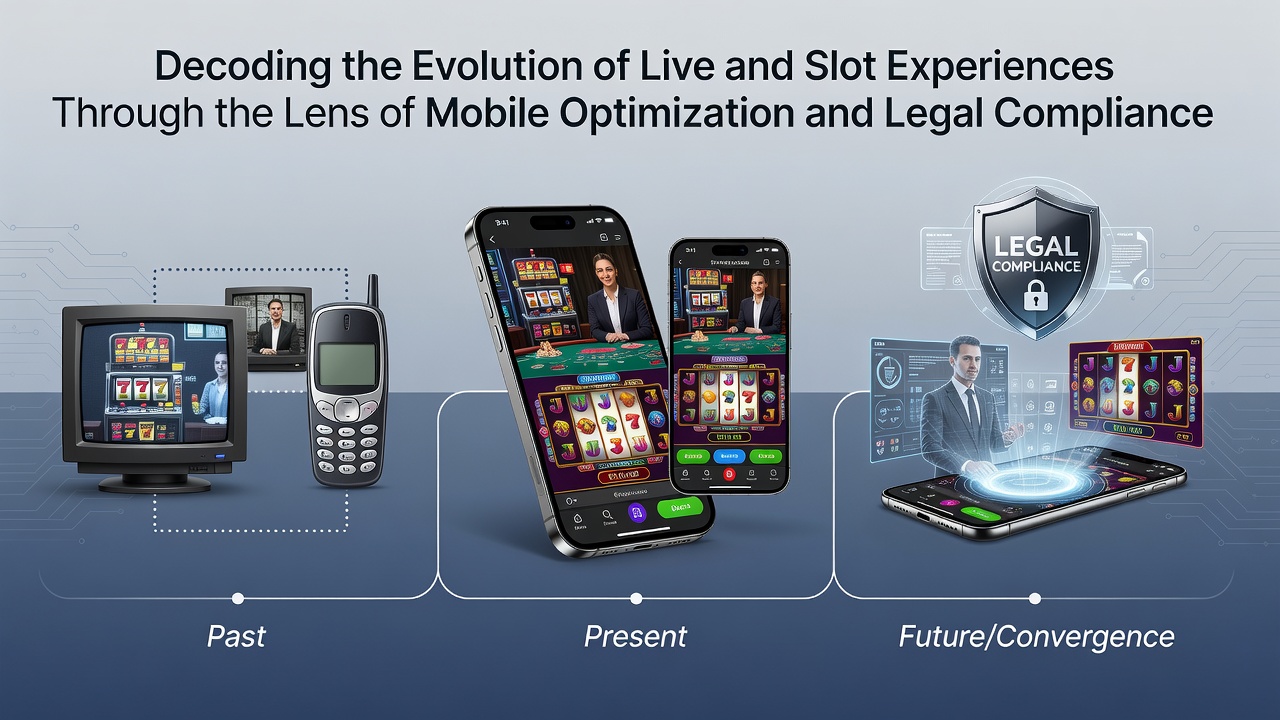
Decoding the Evolution of Live and Slot Experiences Through the Lens of Mobile Optimization and Legal Compliance
Live dealer streams and digital slot reels have moved from desktop-centric designs to mobile-first formats over the past decade, driven by shifts in player behavior and updates to licensing frameworks across multiple jurisdictions. Operators now adjust streaming quality, touch controls, and payout verification systems to fit smaller displays while meeting requirements set by bodies such as the Malta Gaming Authority and the Nevada Gaming Control Board.
Mobile Interface Adjustments for Live Tables and Reels
Developers resize camera angles and button layouts so that roulette wheels and blackjack tables remain legible on phones, and they compress video feeds without dropping frame rates during peak hours. Slot mechanics receive similar treatment: developers replace mouse-click spins with swipe gestures, embed quick-bet menus along the thumb zone, and maintain random number generator certification under rules that require identical outcome probabilities on every device. Research from the University of Nevada, Reno gaming laboratory shows that certified mobile RNG modules produce results within the same statistical margins as land-based terminals when tested against ISO 17025 protocols.
Regulatory Frameworks Shaping Feature Rollouts
Licensing conditions in several regions now tie approval of new mobile features to documented compliance audits, including geolocation checks, age verification layers, and real-time reporting of session data. In Ontario, for example, the Alcohol and Gaming Commission requires operators to log every mobile transaction with timestamp and device identifier, then submit aggregated reports monthly. Similar record-keeping appears in Australian state rules administered through the Queensland Office of Liquor and Gaming Regulation, where progressive jackpot pools must update across platforms within a defined latency window. These rules push studios to build backend synchronization layers that reconcile live dealer chip counts and slot meter readings without exposing player identifiers.
Integration of Compliance Tools into Mobile Codebases
Teams embed geofencing libraries directly into game clients so that live streams pause automatically when a device crosses a regulated boundary, and they trigger on-screen notices that restate responsible gaming limits. Slot bonus rounds receive additional flags that prevent auto-play sequences from exceeding jurisdiction-specific spin caps, a requirement documented in technical standards published by the New Jersey Division of Gaming Enforcement. Observers note that these code-level restrictions appear in update logs released during scheduled maintenance windows, including those scheduled for October 2026 in several North American markets.

Data Patterns Across Optimized Platforms
Industry reports compiled by the American Gaming Association track a steady rise in mobile session length for both live dealer and slot products between 2022 and 2025, coinciding with widespread rollout of 5G infrastructure. Figures released by that organization show that jurisdictions with explicit mobile testing requirements recorded higher percentages of certified titles available on app stores compared with regions that lacked device-specific mandates. Analysts at the Canadian Gaming Association have tracked similar trends, noting that operators who integrated compliance APIs early experienced fewer title delistings during routine platform audits.
Case Examples from Multiple Markets
One operator licensed in multiple European states adjusted its live dealer lobby to load camera feeds only after a device passed a lightweight compliance check, reducing average load time by several seconds while preserving audit trails. In another instance, a slot provider working with Australian state regulators introduced a mandatory cool-down timer visible on mobile screens after consecutive wins, a mechanic added following updates to harm-minimization guidelines issued by state authorities. These modifications demonstrate how legal text translates into interface elements that function consistently across operating systems.
Future Technical and Licensing Intersections
Upcoming standards under discussion at the International Association of Gaming Regulators focus on unified APIs for mobile session monitoring that would allow cross-border data sharing without duplicating storage. Proposals include standardized fields for device fingerprinting and latency measurements that feed directly into automated compliance dashboards. Implementation timelines vary by jurisdiction, yet several licensing renewals scheduled through late 2026 already reference these draft specifications in their technical appendices.
Conclusion
Regulatory demands and mobile engineering constraints continue to shape the technical backbone of live dealer and slot products. Operators that align interface changes with documented licensing conditions maintain access to regulated markets while delivering consistent gameplay across devices. Data from multiple oversight bodies illustrates that synchronization of these two domains produces measurable improvements in both operational reliability and audit readiness.